
Table of Contents
- Why High Quality Resilient Clothing for Patients Matters
- Adaptive Clothing for Chronic Pain: What to Look For
- Comfortable Recovery Wear for Patients: Softness That Survives the Wash
- Durable Medical Apparel for Home Use: Built for the Long Haul
- Pieces That Do Double Duty: Tees and Hoodies Worth the Price
- How to Check Sizing, Care, and Returns Before You Buy
- Frequently Asked Questions
Last Updated: September 16, 2026
Why High Quality Resilient Clothing for Patients Matters
High quality resilient clothing for patients is apparel built to survive repeated washing, long wear, and the physical reality of recovery, treatment, or chronic pain. It holds its shape, keeps its softness, and doesn't fall apart when you need it most.
The FTC's textile labeling and care requirements exist precisely because fabric content and care instructions determine how long a garment actually lasts.
Here's the thing most buying guides skip: resilience isn't one property. It's three working together.
- Fabric weight and fiber content decide how the garment handles friction and washing
- Construction details like side seams and double-needle stitching decide whether it keeps its shape
- Print method and finish decide whether the design survives the dryer
Get all three right and a shirt lasts years. Get any one wrong and you're replacing it in months. Below, we'll break down exactly what to look for, plus the specific pieces worth your money.
What Makes Fabric Hold Up in Real Life
Fabric durability comes down to fiber type, weight, and how the garment is sewn. Ring-spun cotton resists pilling better than standard cotton because the fibers are twisted tighter before spinning. Fabric weight matters too: a 4.2 oz shirt feels light and breathable, while an 8.5 oz fleece holds structure through heavy use.

Construction is where cheap garments quietly fail. Side-seamed construction prevents the twisting that plagues tubular tees after a few washes. Double-needle stitching at stress points keeps seams from splitting.
Adaptive Clothing for Chronic Pain: What to Look For
Adaptive clothing for chronic pain prioritizes low-friction fabrics, generous fit, and seams that don't dig into sensitive areas. The goal is clothing you can put on without a fight and wear all day without adjusting.
A common mistake is assuming "loose" means "comfortable." A relaxed fit with a comfortable drape works because the fabric moves with you, not because it's oversized. Look for:
- Soft, breathable fibers that won't irritate skin or trap heat
- Ribbed collars and cuffs that stay put without squeezing
- Flat or covered seams at the shoulders and sides
- Set-in sleeves for a cleaner shape that doesn't bunch under the arm
The real difference between adaptive wear that works and adaptive wear that doesn't comes down to whether the garment stays comfortable after hour six. That's a construction question, not a marketing one.
Comfortable Recovery Wear for Patients: Softness That Survives the Wash
Comfortable recovery wear for patients has to do something ordinary loungewear doesn't: stay soft through dozens of wash cycles while you're wearing it constantly. Softness that disappears after three washes isn't softness, it's a first impression.
Pre-shrunk, ring-spun cotton holds up best here. It starts soft and stays that way because the fiber structure resists the abrasion that causes pilling. Garment-dyed finishes tend to feel softer from the first wear, though they can fade faster than piece-dyed fabrics if you wash them hot.
Durable Medical Apparel for Home Use: Built for the Long Haul
Durable medical apparel for home use needs to handle the least glamorous conditions: repeated washing, long days on the couch, and the occasional spill. The pieces that survive are the ones with reinforced construction and print methods that bond to the fabric rather than sitting on top of it.
What most guides miss is that durability and comfort aren't in conflict. A heavier fleece hoodie with a cotton face and a polyester blend lining holds its shape better than a thin sweatshirt, and it's warmer. The trade-off is drying time, not comfort.
| Feature | Why It Matters | What to Look For |
|---|---|---|
| Fabric weight | Determines structure and warmth | 4.2 oz for tees, 8.5 oz for fleece |
| Fiber content | Affects softness and pilling | Ring-spun cotton, pre-shrunk |
| Seam construction | Prevents twisting and splitting | Side-seamed, double-needle stitching |
| Finish | Affects feel and color retention | Garment-dyed or piece-dyed |
| Print method | Determines design longevity | Distressed or bonded prints |
Pieces That Do Double Duty: Tees and Hoodies Worth the Price
The most practical wardrobe for anyone dealing with a health challenge is small and versatile: a couple of tees you can wear anywhere and a hoodie that works as a layer, a blanket, and a statement. Here's what we'd actually buy.
Tees That Start at $30 and Hold Their Shape
The FK CANCER Coalition Vintage T-Shirt is our top pick for anyone who wants their clothing to say something. It's 100% organic ring-spun cotton with a garment-dyed finish, a relaxed fit, side-seamed construction, set-in sleeves, and a ribbed collar. The distressed black print is designed to look worn-in from day one, which means it ages with you instead of against you. It starts at $30.

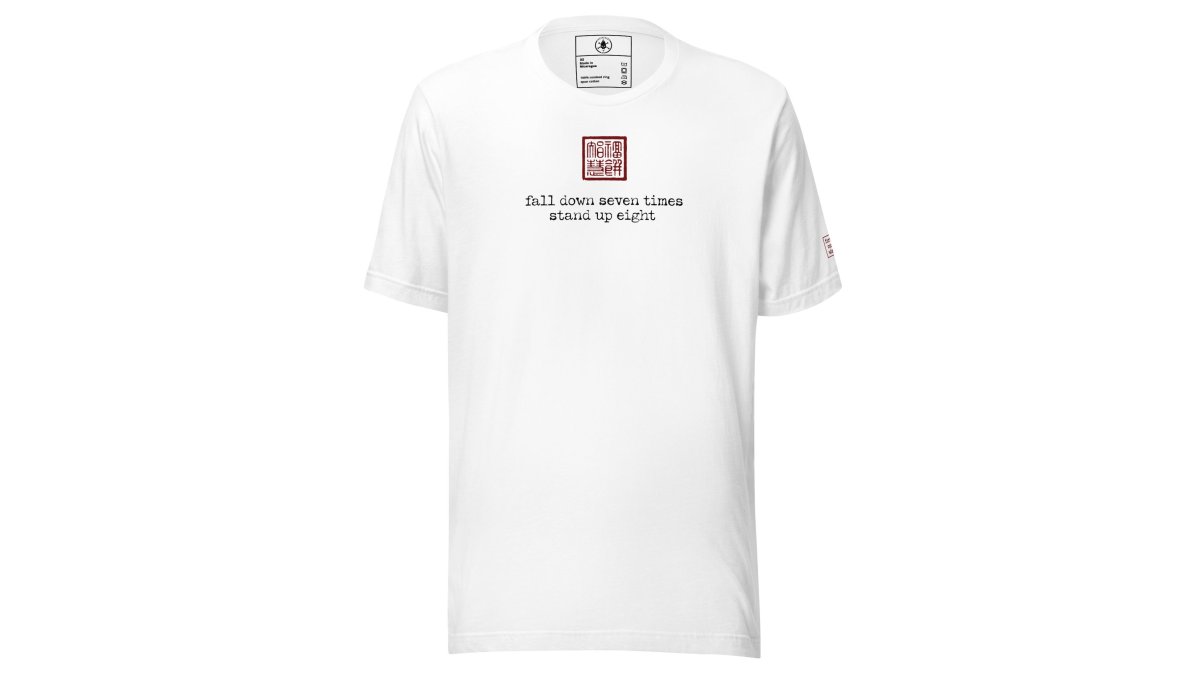
For a lighter option, the Fall Down T-Shirt runs 4.2 oz combed ring-spun cotton, pre-shrunk, with side seams and shoulder-to-shoulder taping. It's the one to grab when you want stretch and breathability over weight. Same $30 starting price.
Hoodies at $40 With a Cotton Face and Fleece Lining
The FK CANCER Coalition Hoodie pairs a 100% cotton face with an 80/20 cotton-poly fleece lining at 8.5 oz. Split stitch double-needle sewing on all seams, twill neck tape, a jersey-lined hood, and 1x1 ribbing at the cuffs and waistband. It's built to be washed constantly and still look intentional. Starting at $40.

If you want something that reads a little more quietly, the Never Give Up Hoodie uses the same construction and fabric spec with a different design. Size up if you prefer a baggier fit.
How to Check Sizing, Care, and Returns Before You Buy
Sizing is the number one reason people return apparel they can't try on, and it's entirely avoidable. Measure a shirt you already own and like, lay it flat, and compare the chest and length numbers to the size chart before ordering.
Every Irreverent Ink piece is made to order, so check the size chart on the product page rather than guessing. The American Apparel & Footwear Association sizing guidance is a useful reference for how unisex measurements are typically taken.
Care comes down to three rules: cold water, inside out, low heat. Turn graphic tees inside out before washing to protect the print, skip fabric softener on fleece because it coats the fibers and reduces loft, and hang or lay flat to dry when you can.
For returns, check the policy on the product page before you buy, and note the window. Made-to-order items often have different terms than stock inventory, and knowing that upfront saves a frustrating email later.
Frequently Asked Questions
What is adaptive clothing for patients?
Adaptive clothing is designed to be easier to put on, take off, and wear for people dealing with limited mobility, chronic pain, or recovery from treatment. It usually means softer seams, a relaxed drape, and fabric that does not dig in. Items like a relaxed-fit organic cotton tee or a midweight hoodie with a cotton face can work as everyday adaptive pieces because they move with you instead of against you.
How does resilient clothing improve comfort during recovery?
Resilient clothing keeps its shape, softness, and print after repeated washing, so you are not fighting stiff, pilled fabric when you already feel rough. Look for pre-shrunk cotton, side-seamed construction, and reinforced sewing. A hoodie with split stitch double-needle seams and 1x1 ribbing at the cuffs and waistband stays comfortable through a full day of rest, errands, or appointments.
What features should I look for in patient-friendly apparel?
Check four things: fabric weight, seam construction, fit, and care instructions. A 4.2 oz combed ring-spun cotton tee is light and breathable, while an 8.5 oz cotton-face hoodie adds warmth. Side-seamed construction prevents twisting, and twill neck tape keeps the collar from stretching out. Pre-shrunk fabric means the size you order is the size you keep after the first wash.
Is there stylish clothing designed for chronic pain patients?
Yes. You do not have to choose between comfort and a design you actually want to wear. Graphic tees and hoodies with bold, unapologetic prints let you say something about what you are going through without wearing a plain hospital-style top. A relaxed-fit vintage tee with a washed finish reads as intentional style, not medical wear, and still feels soft against skin that is already sensitive.
Recovery and chronic illness already take enough out of you without your clothes adding to the pile. Irreverent Ink builds apparel for people who want to feel like themselves, not like a patient: 100% organic ring-spun cotton tees, 8.5 oz fleece hoodies with a cotton face, and designs that support causes like cancer research through donations to Caring For A Cure. Get started with Irreverent Ink and wear something that actually holds up while it says something worth saying.